Reimagining Capital: Returning to Relationship
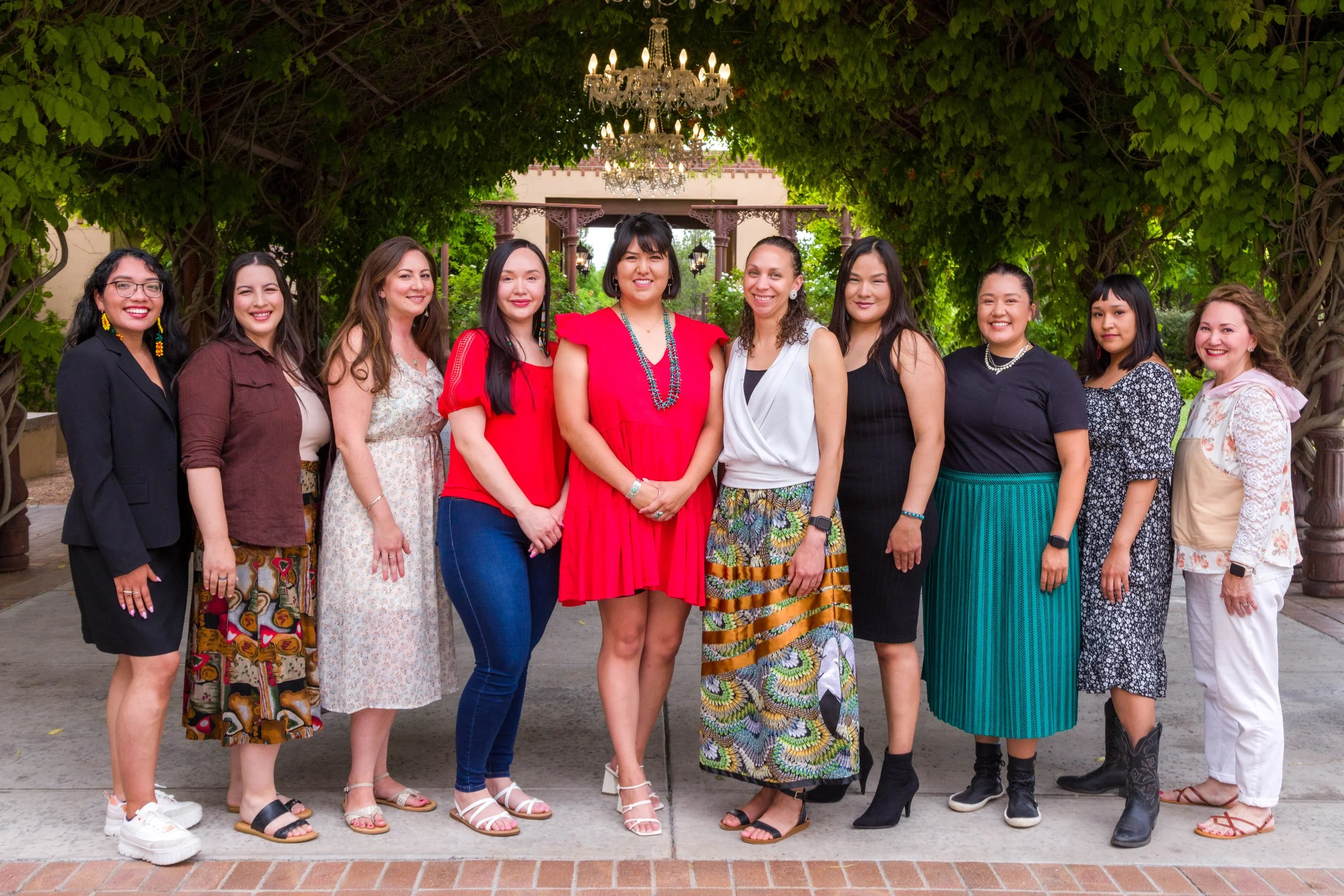
By Elyse Dempsey and Bernina Gray
December 2025
Opening Reflections: Returning to the Teachings That Shape Us
In nature, everything exists in relationship. Reflecting on The Serviceberry: Abundance and Reciprocity in the Natural World by Robin Wall Kimmerer, it reminded us both that reciprocity is not just a value that we hold, but it’s a part of life. Trees share nutrients through underground networks, water circulates to sustain life, and abundance arises through exchange rather than extraction. This is what a living economy looks like.
In Diné teachings, the relationship of the five-fingered people (humans) to the world was established by non-human relatives who created and shaped the first worlds before us. These relatives taught harmony, balance, and roles, all rooted in relationship rather than possession.
Across Indigenous people, these foundations are universal. We have always been in a relationship with, not owners of. Our traditional economies were rooted in gifting, sharing, and balance. From potlatches to intertribal trade routes, value was measured through relationship, not accumulation. Restoring the Kinship Worldview by Wahinkpe Topa and Darcia Narvaez reinforces what our ancestors already knew: everything thrives through kinship and care.
This worldview instinctively informs how we think about capital today. We have not minimized our values to fit Western economic systems; instead, we have expanded them. We understand capital as money, yes, but also as our relationships, teachings, songs, prayers, and fireplaces. Wealth is knowing who we come from and cherishing our legacies.
Together, we are exploring how rematriation, reciprocity, and sovereignty offer pathways back to these truths as the foundation for future economies.
Rematriation: Remembering and Re-Centering Indigenous Women
When considering economy building and resources, rematriation emerges as both our remembrance and restoration of knowledge from matriarchs before us. As defined within Roanhorse Consulting’s Rematriating Economies Apprenticeship (REA), rematriation is the recentering of Indigenous women - our foundational economists, our resource stewards, our wealth builders - back into decision-making circles.
In REA, a foundation coursework is Sacred Economics, the exploring of gift economies through an Indigenous lens, and the concept of capital, but also our roles within it. As capital stewards, Indigenous women become a bridge between capital and community, helping money serve relationships again.
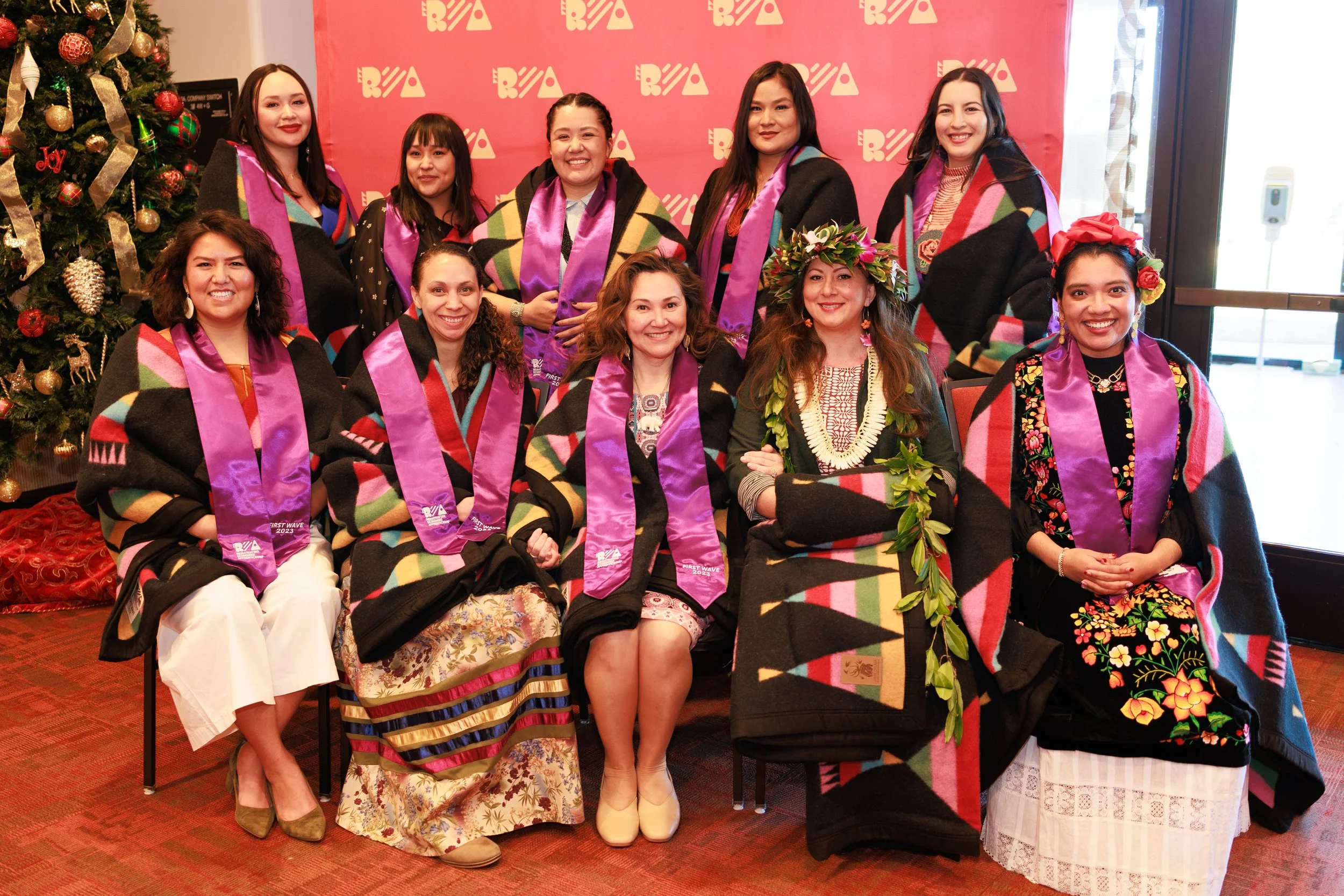
Rematriation is a continuation of our histories. Indigenous matriarchs have always been strategists, protectors, and builders of generational wealth. Programs like REA carry this truth forward. REA’s commitment to support Indigenous women steward $100 billion in capital over the next decade is not an act of ambition; it is an act of restoration of Indigenous women’s rightful roles. To date, with two cohorts and 18 Indigenous women, REA has tripled the number of Indigenous women who are managing capital, a quiet return rooted in kinship.
Diversity as the Antidote to Scarcity
The issue of non-Indigenous economic systems is that rematriation is disregarded, erased, and instead replaced by models that promotes resource accumulation and scarcity over reciprocity. Scarcity, a non-Indigenous concept, comes about when sameness is the goal, or when too many chase the same limited resources. This is when competition replaces relationship.
Robin Wall Kimmerer writes:
Oftentimes, this is achieved by shifting one’s needs away from whatever is in short supply, as though evolution were suggesting ‘if there’s not enough of what you want, then want something else.’ This specialization to avoid scarcity has led to a dazzling array of biodiversity, each avoiding competition by being different. Diversity in ways of being is an antidote to scarcity-induced competition.
This teaching reminds us that the natural world adapts by embracing difference, each being with its own niche, its own gifts. True ecosystems flourish through diversity because diversity eliminates scarcity.
Economies can function the same way.
To recognize our own limitations and the limitations of the world is to practice good relationship. It invites adaptation, community care, and generational thinking, which are qualities that Indigenous communities have carried.
This is what we call a generational economy: a way of creating a path to resources that considers the impacts, good and bad, to current and future beings. Building such an economy, however, requires more than thoughtful stewardship of resources; it requires the ability to act with agency and authority within systems that have historically limited Indigenous self-determination.
Sovereignty Through Self-Determined Pathways
Sovereignty is often described as self-determination, but in practice, it is layered:
Personal sovereignty is the agency in our decisions and identities;
Collective sovereignty is communities and nations shaping their futures; and
Structural sovereignty is systems that honor and uphold Indigenous governance.
Honoring sovereignty requires all three. It is not just the work of Indigenous communities to consider relationships to the benefit of all, to honor our ways of being; systems must shift to support our ways of being and knowing as our truth.
The table from Jesse Grey Eagle’s Indigenous Systems Thinking: The Operating System of Sovereignty shows that symbolic gestures are the easiest and most common, but are the least transformative. Structural sovereignty in contrast requires deeper commitment: shifting power, honoring Indigenous leadership, and designing systems that center relationship, people and culture.
For partners and funders, this means understanding that multiple truths exist simultaneously and all are valid. It means adapting systems, structures, and relationships so Indigenous people can lead with agency and in alignment with their own worldviews. This is the world rematriation aims to rebuild.
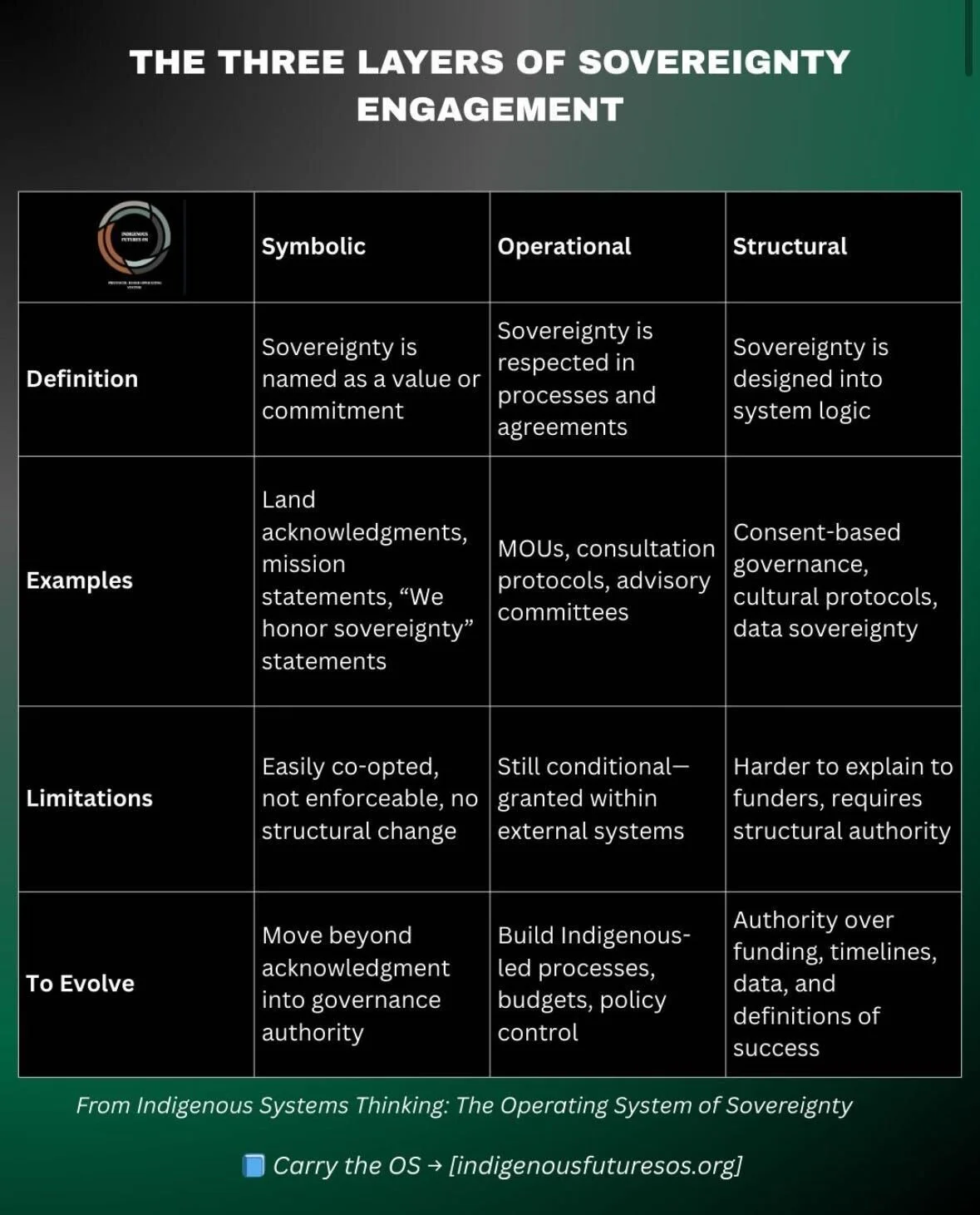
Table from Jesse Grey Eagle’s Indigenous Systems Thinking: The Operating System of Sovereignty.
What Is Capital? Expanding the Definition
In this rebuilt world, the very concept of capital would take on a broader, more relational definition. Historically, vast intertribal trade routes connected Turtle Island through goods, services, and culture. Indigenous communities understood capital then and now as not only material resources but also knowledge, relationships, and cultural wealth - a system designed to sustain people, lands, and future generations.
From an Indigenous worldview, capital is varied and alive. It can include, but is certainly not limited to:
material resources
relationships
language and teachings
songs and ceremonies
prayers
responsibilities and roles
the land
Today, our understanding of capital still reflects this multiplicity. It is not merely what we acquire; it is what we carry, what we honor, and what we return to.
Closing Reflection: An Invitation
Reimagining capital is an act of remembering. It asks us to return our ancestral ways as stewards, storytellers, economy builders, and relatives. It asks us to reweave systems of money and meaning so they align with reciprocity, care, and Indigenous sovereignty. It invites economies that allow all our relations to thrive.
As we continue this co-created conversation, we invite funders, partners, and changemakers to move with us. Our asks to you:
To honor the relationship over the transaction.
To trust Indigenous leadership.
To reimagine capital as kin.
Elyse V. Dempsey (Diné) is the Senior Ecosystem and Strategy Manager at Roanhorse Consulting, where she leads Indigenous-centered initiatives in health and wealth systems, including Return on Indigenous Studios and the Rematriating Economies Apprenticeship. A systems designer and fourth-generation caretaker of her family homestead on the Diné Nation, Elyse brings over a decade of experience shifting Indigenous narratives and building strategies that center reciprocity, sovereignty, and generational impact.
Bernina Gray (Diné) is a contracted Fund Navigator with Roanhorse Consulting and the founder of nDigitize. She is a technologist and ecosystem builder, she works at the intersections of Indigenous innovation, FinTech, economic sovereignty, and Indigenous data stewardship. Bernina brings experience across software development, community-centered design, and rematriating capital and data systems shaped by reciprocity, sovereignty, and kinship.
